
Read More
The elephant's tail serves various functions and plays a crucial role in the overall well-being and behavior of these majestic creatures. Here are some of the effects and purposes of an elephant's tail:

Communication:
- Visual Signals: Elephants use their tails to communicate with each other visually. For example, a raised tail can signal excitement or agitation, while a tucked tail may indicate fear or submission.
- Swishing and Wagging: The movement of the tail, such as swishing or wagging, can convey different emotions or intentions. Elephants may use their tails to express annoyance, warn others, or simply show contentment.

Defense and Protection:
- Warding off Insects: Elephants often use their tails to swat away bothersome insects, providing a natural defense against bites and irritation.
- Protection from Sun: The tail can also be used to protect sensitive areas like the back of the legs from the harsh sun or to cover the body for added shade.
Balance and Coordination:
- Counterbalance: The tail is essential for maintaining balance, especially when elephants navigate uneven terrain or engage in activities like walking, running, or climbing. It acts as a counterbalance to the massive weight of the elephant's body and trunk.

Thermoregulation:
- Cooling Mechanism: Elephants use their tails to help regulate body temperature. They may fan themselves with their tails to create a breeze, aiding in the cooling process, which is particularly important in hot climates.

Social Interactions:
- Bonding: Elephants may touch each other's tails as a form of social interaction, reinforcing bonds within the herd. This physical contact can convey reassurance, support, or affiliation.

Reproductive Behavior:
- Courtship and Mating: During courtship and mating rituals, elephants may use their tails in various ways to signal receptivity or interest. This can include lifting or positioning the tail in specific manners.
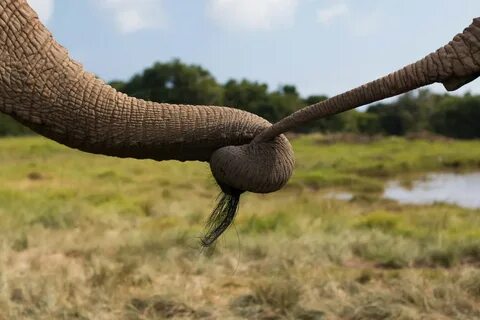
Understanding the multifaceted role of an elephant's tail provides insights into their complex social structure, communication methods, and adaptations for survival in their natural habitats.